The old masters, such as Velázquez and Leonardo da Vinci, profoundly shaped the art of the 1800s, their influence reverberating through movements like Romanticism, Realism, and Impressionism. Despite living centuries earlier, their techniques and ideas continued to guide artists and captivate collectors. This post explores how these iconic figures inspired nineteenth-century art and why their legacy endures in today’s art market.
Why We Still Look Back
The art world is ever-changing—new movements, technologies, and voices constantly redefine creativity. Yet, the old masters, including Velázquez and Da Vinci, remain touchstones for artists and collectors alike. In the 1800s, a period of radical artistic shifts, their influence was undeniable. From Romanticism’s emotional depth to Impressionism’s innovative light, the fingerprints of these masters shaped the century’s most defining works.
Velázquez: The Old Master of Realism
Diego Velázquez (1599–1660), a cornerstone of the old masters, transformed painting with his loose brushwork and naturalistic approach. His masterpiece “Las Meninas” inspired artists like Édouard Manet, Francisco Goya, and later Picasso. Velázquez’s ability to humanize royal subjects, blending technical precision with raw authenticity, resonated with nineteenth-century artists who sought to break from academic norms. His work elevated Spanish art’s global prestige, influencing collectors to value realism alongside classicism.
Collectors’ insight: Velázquez’s paintings became prized museum pieces, driving demand for works inspired by the old masters in burgeoning art markets.
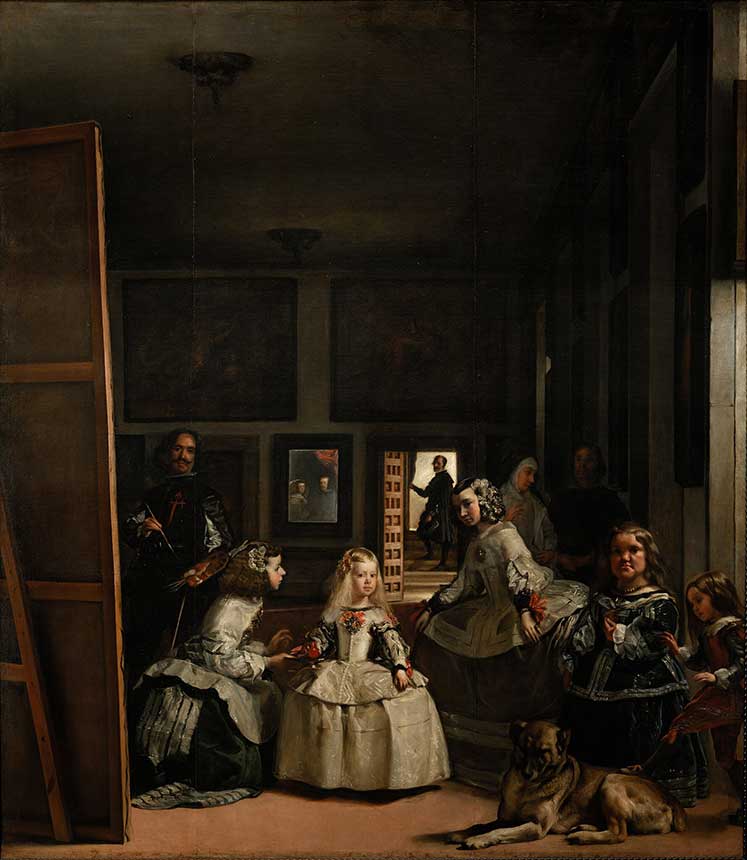
“Las Meninas” by Diego Velázquez, 1656, Museo del Prado, Madrid.
Leonardo da Vinci: The Visionary Old Master
Leonardo da Vinci (1452–1519), another titan among the old masters, left an indelible mark on the 1800s. His studies in anatomy, perspective, and chiaroscuro informed artists’ approaches to form and light. Celebrated as both artist and inventor, Da Vinci embodied the Romantic ideal of the visionary creator. His sketches and manuscripts, eagerly sought by nineteenth-century collectors, were seen as relics of genius, further cementing his influence.
Collectors’ insight: The fascination with Da Vinci’s multifaceted legacy fueled a collectors’ market that prized his works as treasures of the old masters.
Romanticism: Emotion and the Sublime
The early 1800s ushered in Romanticism, a movement characterized by its emphasis on emotion and drama. Artists like Eugène Delacroix and J.M.W. Turner painted with intensity, drawing indirectly on the old masters’ ability to evoke feeling. Turner’s luminous landscapes foreshadowed Impressionism, while Delacroix’s “Liberty Leading the People” captured the revolutionary zeal of the era. For collectors, Romantic works were not just art but statements of passion and belief.
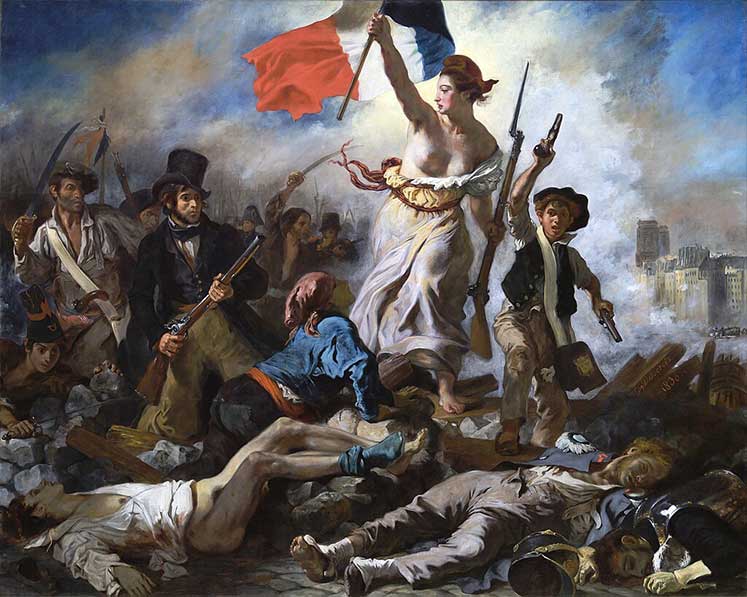
“La Liberté guidant le peuple” (Liberty of the People) by Eugène Delacroix, 1830, Musée du Louvre.
Realism: Art of the Everyday
By mid-century, Realism emerged, with artists like Gustave Courbet rejecting idealized subjects for ordinary life. Inspired by the old masters, such as Velázquez, Courbet’s “The Stone Breakers” elevated laborers to a heroic status. Realism reflected the era’s social changes—industrialization and class struggles—challenging collectors’ tastes while establishing a new standard for modern art.
Impressionism: Light and Liberation
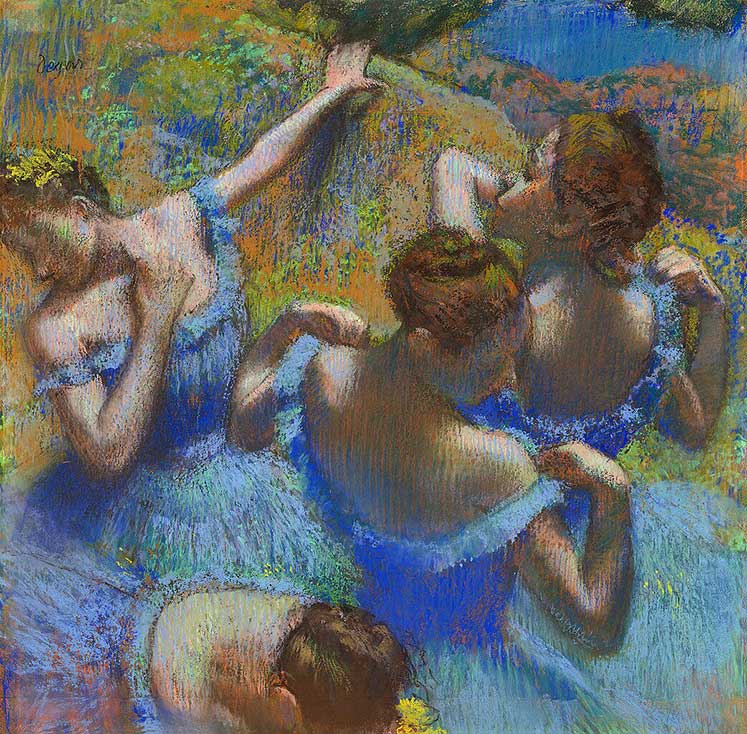
The late 1800s saw Impressionism revolutionize the art world. Painters like Claude Monet, Edgar Degas, and Pierre-Auguste Renoir, influenced by the innovative spirit of the old masters, painted outdoors to capture fleeting light. Monet’s “Water Lilies,” Degas’s dancers, and Renoir’s scenes of leisure broke traditional rules, initially shocking collectors. Visionary patrons like Paul Durand-Ruel, however, recognized their value, and today, Impressionist works are staples at auction houses.
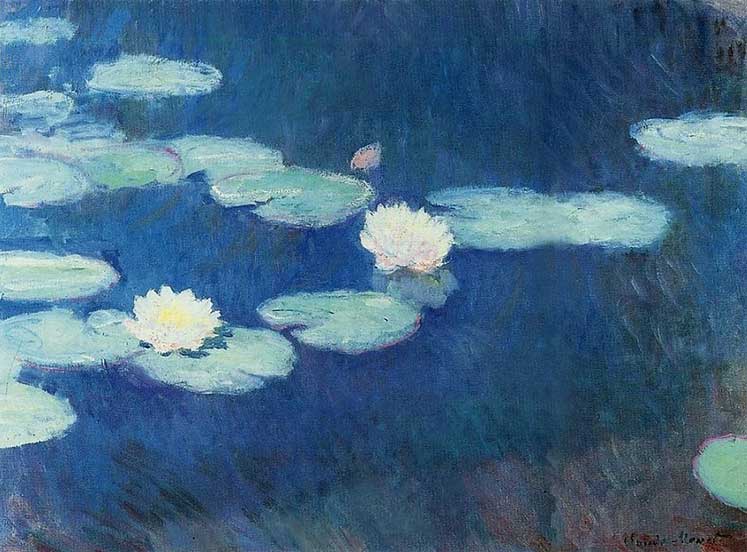
“Water Lilies” by Claude Monet, 1897-1898, Private Collection
How Velázquez and Da Vinci Shaped the Century
The old masters’ influence permThe old masters’ influence permeated the 1800s:
- Velázquez’s fluid brushwork inspired Impressionists’ spontaneity.
- Da Vinci’s anatomical precision informed Realists’ commitment to accuracy.
- Both exemplified the blend of technique and innovation, a hallmark of nineteenth-century art.
Collectors often measured new works against the old masters, using their legacies as a benchmark for artistic excellence.
The Old Masters in the Collectors’ World
The 1800s marked the rise of public art museums, with institutions like the Louvre and the Prado acquiring works by the Old Masters. This increased access while fueling private market demand. Wealthy collectors vied for pieces by Velázquez, Da Vinci, and others, a trend that continues today, as seen in the record-breaking $450 million sale of Da Vinci’s “Salvator Mundi” in 2017.
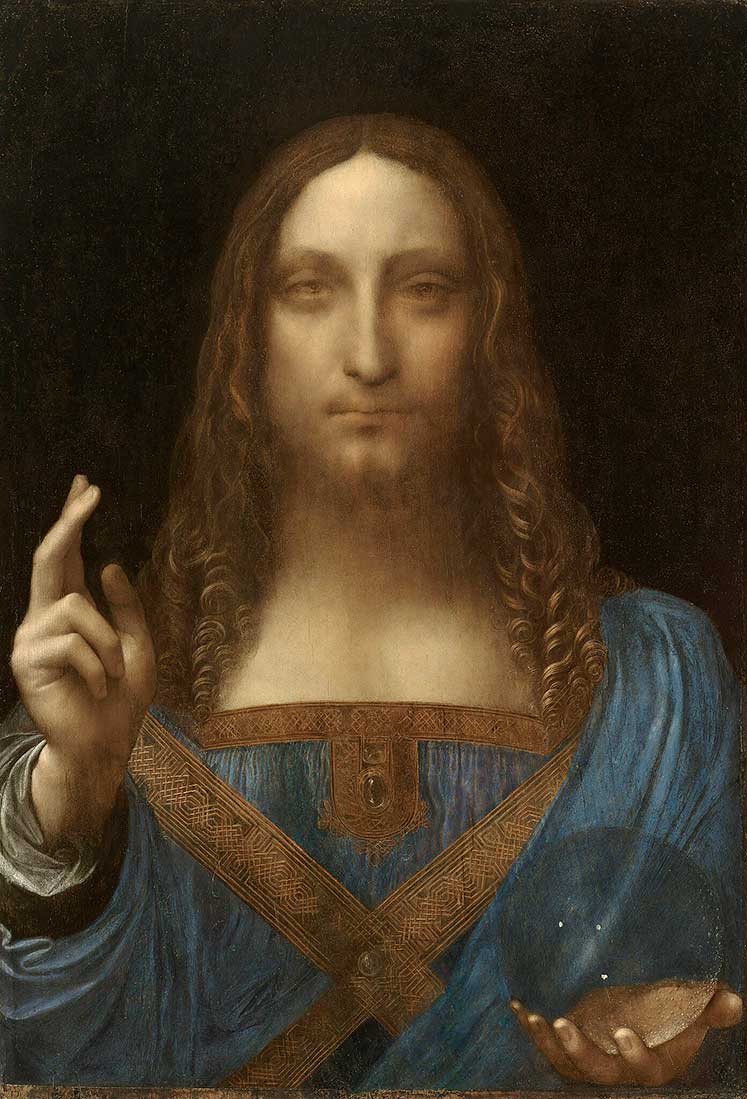
“Salvator Mundi” by Leonardo da Vinci, c. 1500, Louvre Abu Dhabi.
Legacy in Today’s Art Market
The old masters and the 1800s continue to shape today’s art world:
- Auction Records: Da Vinci’s “Salvator Mundi” remains the most expensive painting ever sold.
- Museum Draw: Works like Velázquez’s “Las Meninas” and Monet’s “Water Lilies” attract millions annually.
- Collector Trends: Contemporary artists are often judged against the innovation of the old masters.
Owning art tied to this lineage is about more than prestige—it’s about connecting to a centuries-old tradition.
Why the Old Masters Endure
The 1800s were a crucible of artistic innovation, but the old masters, such as Velázquez and Da Vinci, provided the foundation. Their techniques and ideas inspired artists to push boundaries while grounding their work in timeless principles. For collectors, art from or inspired by this era carries profound historical weight, linking past and present in every brushstroke.
At ArtworkSale, we offer museum quality art prints, allowing you to select from a wide range of artistic styles.
Main image: “Blue Dancers” by Edgar Degas, 1897, Pushkin Museum, Moscow.