Raphael (1483–1520), one of the Renaissance’s towering figures, crafted a legacy that continues to captivate with its grace and balance. Despite his brief life, ending at age 37, his work embodies the era’s ideals of harmony, proportion, and classical beauty. In a time when Florence and Rome buzzed with artistic genius, Raphael stood out not for bold theatrics but for a serene clarity that defined his vision and set him apart from his contemporaries, such as Leonardo and Michelangelo.
Raphael’s Masterpiece: The School of Athens
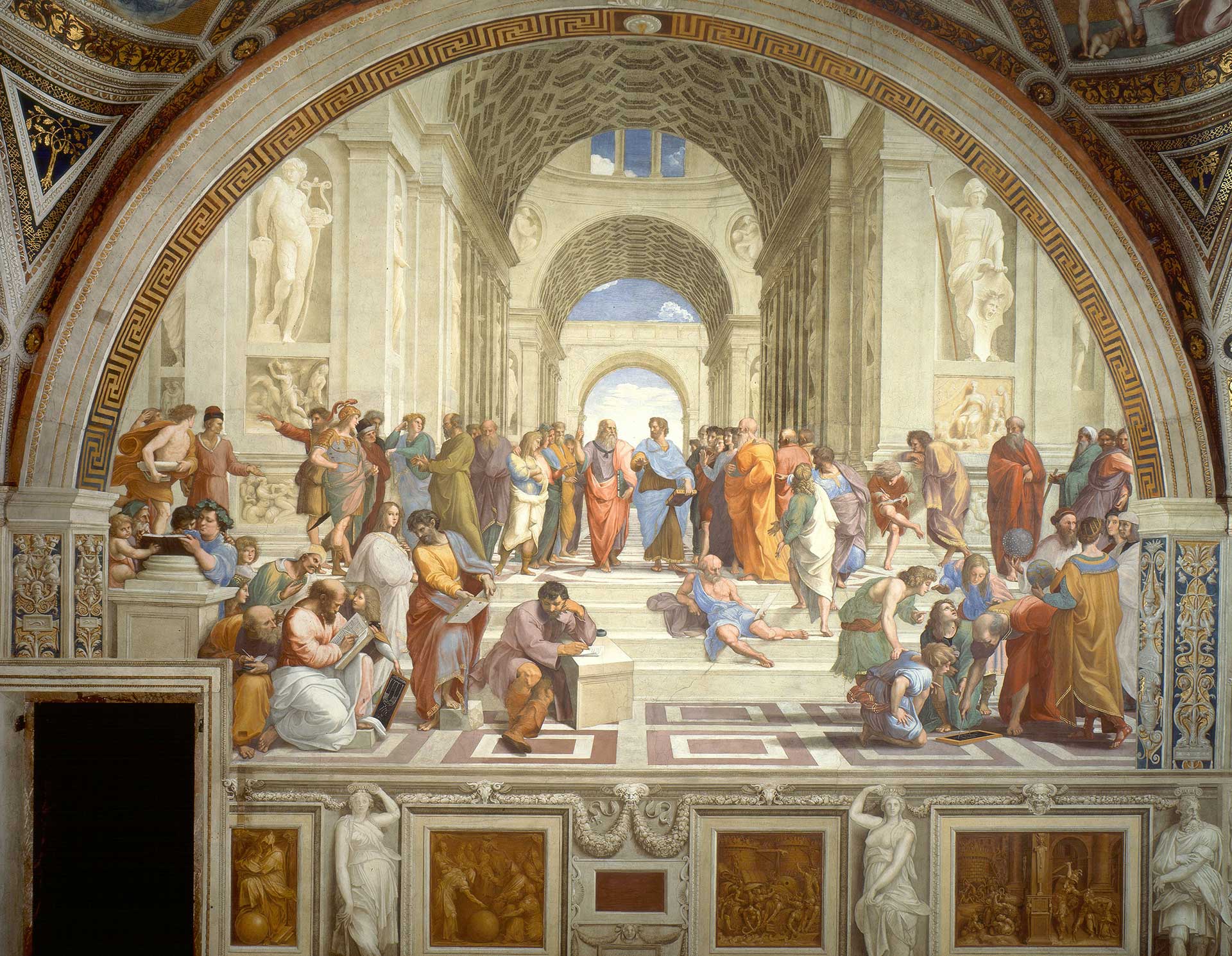
Among Raphael’s most celebrated works is “The School of Athens” (1509–1511), housed in the Vatican’s Apostolic Palace. This fresco transforms philosophy into a vivid, theatrical scene, featuring Plato, Aristotle, and other ancient thinkers as vibrant, living figures. Arranged beneath an imagined basilica dome, the composition uses perfect perspective to create a sense of depth and balance. The result is a visual harmony that feels both inevitable and groundbreaking, showcasing Raphael’s ability to make complex ideas accessible through art. This masterpiece remains a pinnacle of Renaissance innovation, blending intellectual depth with aesthetic grace.
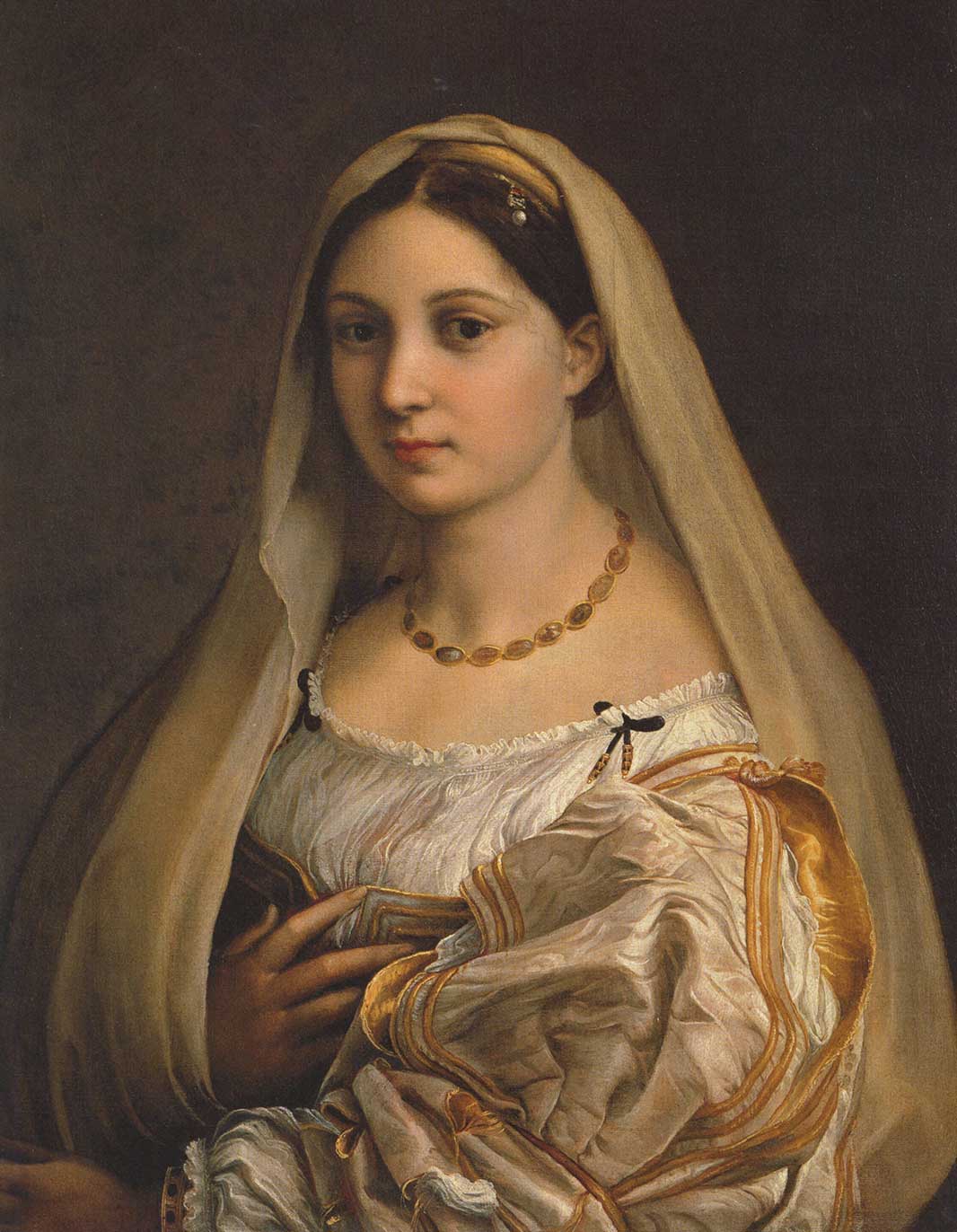
“La velata” Raphael, c. 1516, Palatine Gallery, Palazzo Pitti, Florence
A Unique Artistic Voice
Raphael was a master synthesizer, drawing inspiration from Leonardo’s soft sfumato, Michelangelo’s dynamic forms, and classical sculpture’s idealized proportions. Yet, he wove these influences into a style distinctly his own, marked by an effortless elegance. His portrait “La Velata” (1516), housed in Florence’s Palazzo Pitti, exemplifies this with its subject’s serene expression and delicate veil, exuding a quiet psychological depth. Similarly, “Sistine Madonna” (Gemäldegalerie, Dresden) captures a divine yet human quality, with its iconic cherubs adding a touch of warmth to its spiritual grandeur. Raphael’s ability to balance emotion and restraint remains a powerful resonance with audiences today.
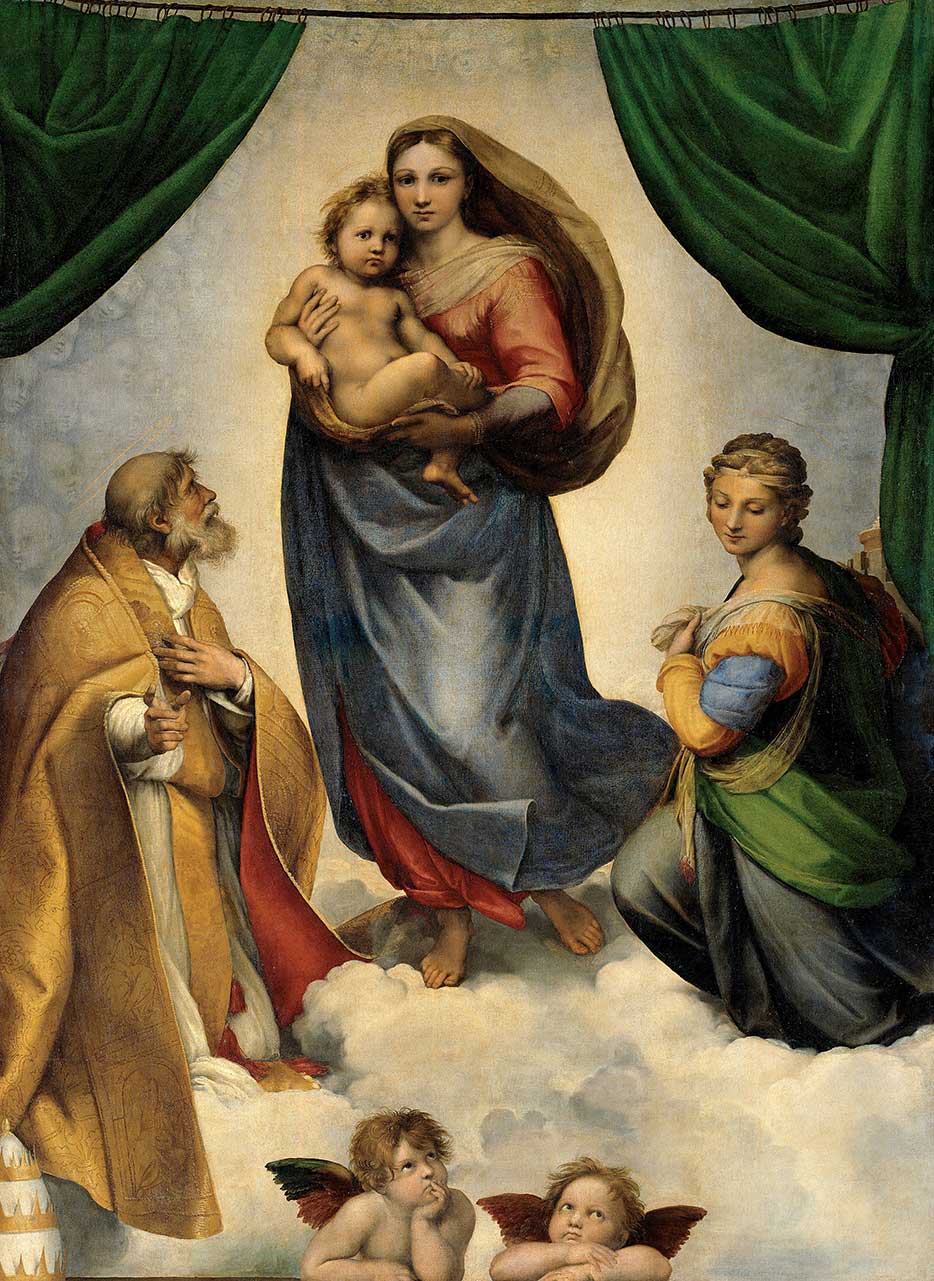
“Sistine Madonna” Raphael, c. 1513-1514, Gemäldegalerie Alte Meister, Dresden
Why Raphael’s Legacy Endures
In today’s fast-paced, often chaotic world, Raphael’s art offers a timeless reminder of the power of balance and harmony. His compositions, celebrated for their clarity and proportion, have influenced countless artists, from Neoclassical painters such as Ingres to modern architects who design with symmetry in mind. His compositions, celebrated for their clarity and proportion, have influenced countless artists, from Neoclassical painters such as Ingres to modern architects who design with symmetry in mind. Raphael’s work stands as a cultural treasure, embodying the Renaissance belief that beauty, reason, and spirituality can coexist in perfect unity. His paintings, such as “The School of Athens” and “La Velata,” continue to inspire, inviting viewers to reflect on art’s capacity to elevate the human spirit.
Raphael’s vision remains a beacon of aspiration. His ability to unify intellect, emotion, and aesthetics into a cohesive whole speaks to the enduring power of art to transcend time. Whether through the philosophical grandeur of “The School of Athens” or the intimate grace of “La Velata,” Raphael’s legacy invites us to seek harmony in our own lives, making his contributions as relevant today as they were 500 years ago.
Featured Works
“The School of Athens” (Vatican Museums)
“Sistine Madonna” (Gemäldegalerie, Dresden)
“La Velata” (Palazzo Pitti, Florence)