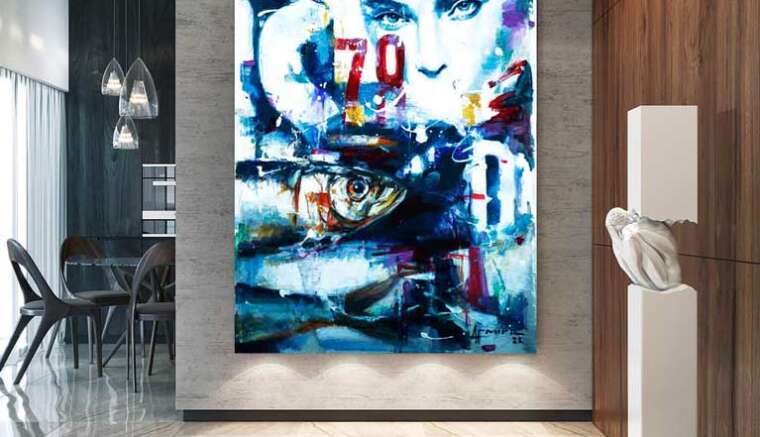
Caring for your art is more than a task — it’s a commitment to preserving the beauty, value, and emotional resonance of your collection. Whether you’re a new collector cherishing your first limited-edition giclée print or an experienced curator with a gallery of original masterpieces, proper care ensures your artwork remains vibrant and meaningful for years, even generations, to come. Art is not just a decorative element; it’s an investment, a story, and a reflection of your personal taste. By adopting professional practices for caring for your art, you can safeguard its integrity and maintain its value over time. This comprehensive guide offers practical, actionable advice to help you protect your collection like a seasoned collector.
Handle with Clean Hands (or Gloves) for Proper Art Care
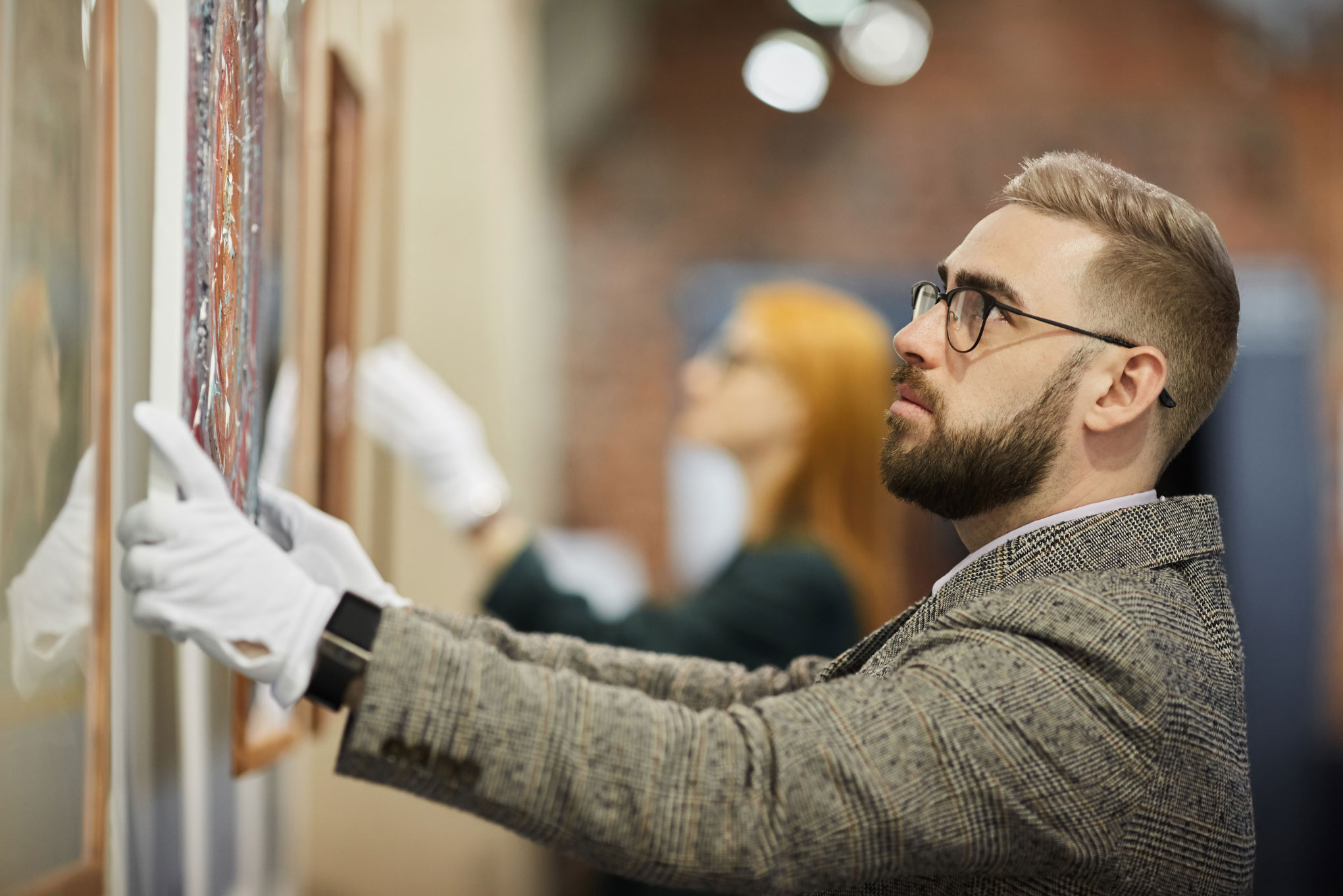
One of the simplest yet most critical steps in caring for your art is handling it with care. Oils, dirt, and even sweat from your skin can transfer to delicate surfaces, causing damage over time. This is especially true for prints, drawings, and canvas works, which are particularly susceptible to smudges, stains, or chemical reactions from skin oils. To minimize risk, always wash and dry your hands thoroughly before touching your artwork. For added protection, consider wearing clean, white cotton gloves when handling or unboxing pieces. These gloves serve as a barrier, protecting sensitive materials such as paper, canvas, or photographs from accidental damage. When moving artwork, hold it by the frame or edges, avoiding direct contact with the surface. By prioritizing careful handling, you’re taking the first step in caring for your art and ensuring its longevity.
Frame with Archival Materials to Preserve Quality
Framing is more than an aesthetic choice — it’s a vital component of caring for your art. A well-chosen frame not only enhances the visual appeal of a piece but also shields it from environmental damage. To protect your artwork, work with a professional framer who uses archival-quality materials. Opt for acid-free mats, UV-protective glazing (such as museum-grade glass or acrylic), and archival backing to prevent yellowing, fading, or moisture buildup over time. These materials are designed to be chemically stable, ensuring they won’t degrade or harm your artwork. For giclée prints, which rely on vibrant pigment inks for their stunning detail, museum-quality framing is essential to maintain color richness and prevent deterioration. Investing in high-quality framing is a proactive step in caring for your art, ensuring it remains pristine for decades.
Avoid Direct Sunlight to Protect Vibrancy
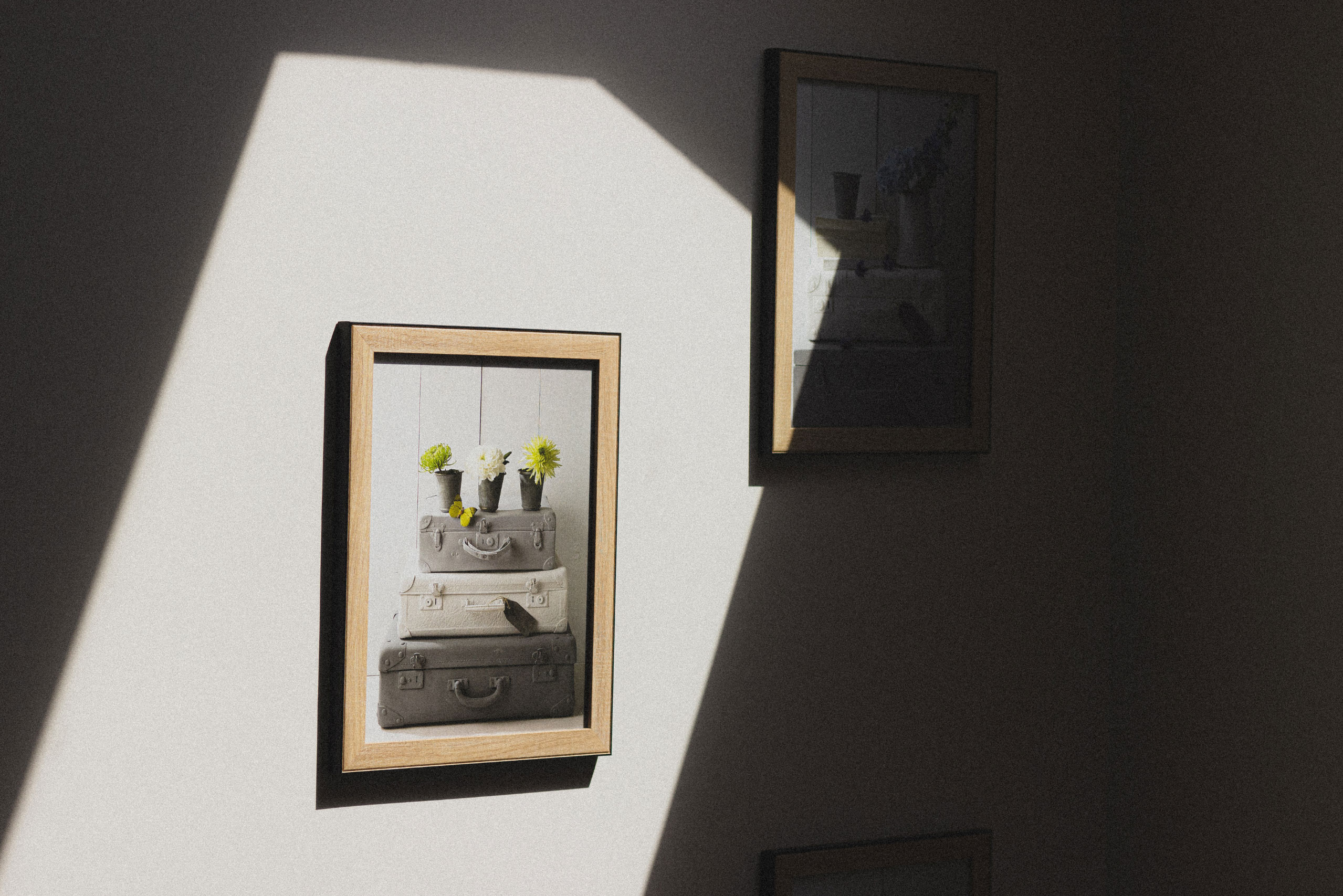
Sunlight, while beautiful, is one of the greatest threats to artwork. Prolonged exposure to direct sunlight can cause colors to fade, paper to yellow, and materials to degrade. To keep your collection vibrant, hang or display your pieces in areas shielded from natural light. If your space has large windows, consider using UV-filtering window films or curtains to reduce harmful rays. For added protection, use UV-protective glass or acrylic when framing your artwork. These materials block up to 99% of ultraviolet rays, significantly reducing the risk of fading. When caring for your art, consider its placement strategically — avoid hanging pieces on walls that receive direct sunlight for extended periods, such as those facing south or west. By taking these precautions, you can preserve the vivid colors and intricate details that make your artwork special.
Monitor Temperature and Humidity for Stability
Environmental fluctuations can wreak havoc on artwork, leading to issues like warping, mold growth, or cracking. To maintain a stable environment for your collection, aim for consistent temperature and humidity levels. The ideal conditions for most artworks are a temperature range of 65–75°F (18–24°C) and a relative humidity of 40–50%. Avoid placing art near heat sources, such as radiators, fireplaces, or heating vents, as well as areas prone to moisture, like bathrooms or basements. For collectors in humid climates, a dehumidifier can help maintain optimal conditions, while a humidifier may be necessary in dry environments. Investing in a hygrometer to monitor humidity levels is a smart move for serious collectors. By controlling these factors, you’re actively caring for your art and protecting it from long-term damage.
Dust Gently and Regularly to Maintain Appearance
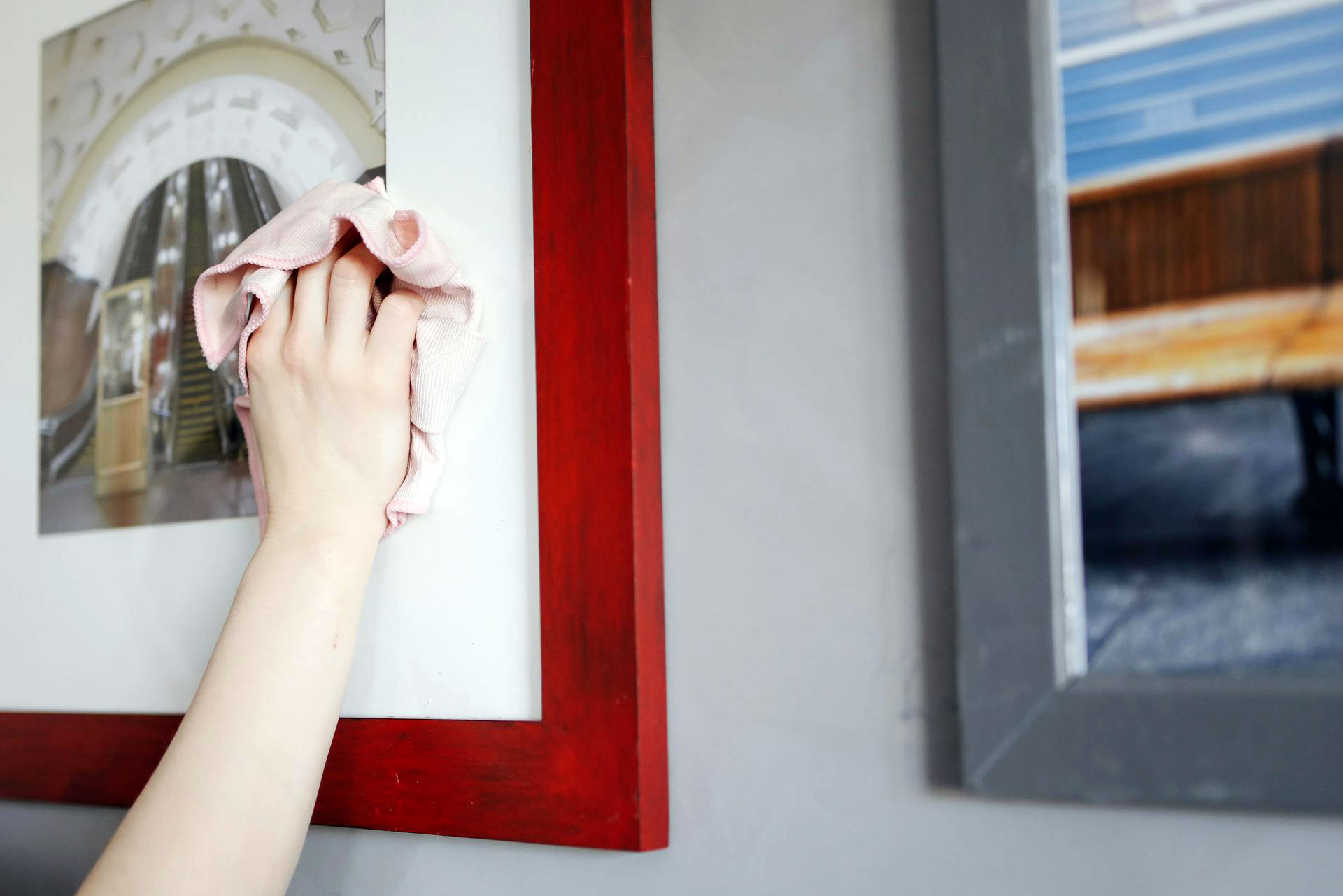
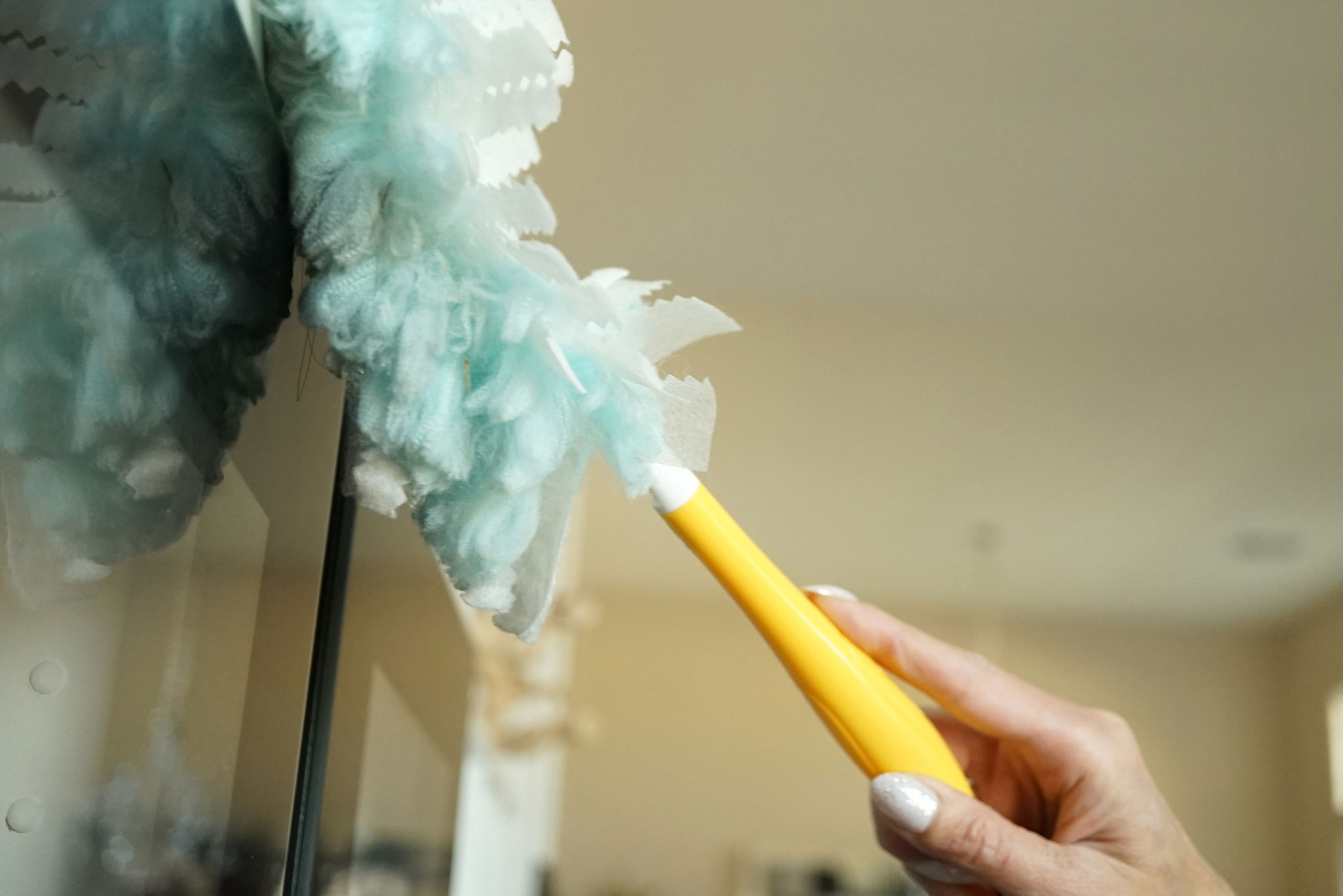
Dust may seem harmless, but over time, it can settle into the crevices of frames or onto the surface of artwork, dulling its appearance and potentially causing abrasion. To keep your collection looking pristine, incorporate gentle dusting into your routine for caring for your art. Use a soft, lint-free microfiber cloth or a specialized artist’s brush designed for delicate surfaces. Lightly sweep the frame or surface to remove dust without applying pressure. Never use household cleaning sprays, chemical cleaners, or damp cloths, as these can damage paint, ink, or unframed works. For textured pieces, such as oil paintings, a soft brush is ideal for reaching into crevices without scratching the surface. Regular, careful dusting ensures your artwork remains clean and vibrant, enhancing its visual impact.
Rotate and Refresh Your Collection Thoughtfully
For collectors with extensive collections, rotating artwork seasonally is a smart strategy for both aesthetic and preservation purposes. By periodically swapping out displayed pieces, you reduce their exposure to environmental factors like light and dust, giving each work a “rest” period. This practice also keeps your living space visually dynamic, allowing you to rediscover and appreciate pieces in new contexts. When storing artwork not on display, use flat files, acid-free portfolios, or archival boxes, and keep them in a cool, dark, and stable environment. Avoid stacking pieces directly on top of each other without protective layers, as this can cause scratching or sticking. Rotating your collection thoughtfully is a crucial aspect of caring for your art, striking a balance between enjoyment and long-term preservation.
Insure Your Collection for Peace of Mind
Art is not just a visual or emotional asset — it’s often a significant financial investment. Whether you own a single cherished piece or a vast collection, insuring your artwork provides peace of mind. To prepare for insurance, create a detailed inventory of your collection, including high-resolution photographs, receipts, certificates of authenticity, and appraisals if available. Store this documentation in a secure, digital format for easy access. Contact your insurance provider to inquire about specialized fine art policies, which offer coverage for damage, theft, or loss. Some insurers even provide options for restoration costs or depreciation in value. By insuring your collection, you’re taking a proactive step in caring for your art, ensuring that its value — both monetary and sentimental — is protected.
Use Professional Art Installers for Safety and Precision
Installing large, heavy, or valuable artwork requires more than a hammer and nail. Improper installation can lead to damage, such as pieces falling or frames warping. For sculptures, multi-panel works, or high wall placements, consider hiring professional art installers. These experts use specialized tools and techniques to ensure your artwork is securely mounted and perfectly level. They can also assess your space for structural considerations, such as wall strength or anchor points, to prevent accidents. For delicate or oversized pieces, professional installation is a worthwhile investment in caring for your art, ensuring it remains safe and beautifully displayed.
Preserve More Than Beauty — Preserve Meaning
Art is more than a physical object; it carries stories, emotions, and personal significance. At ArtworkSale, we believe that caring for your art is more than maintaining its appearance — it’s about honoring its place in your life. By adopting these professional practices, you can preserve the beauty, value, and meaning of your collection for decades to come. Whether it’s a family heirloom, a bold contemporary piece, or a cherished print, your artwork deserves thoughtful care.
Collect mindfully. Care intentionally. Live with art. – ArtworkSale