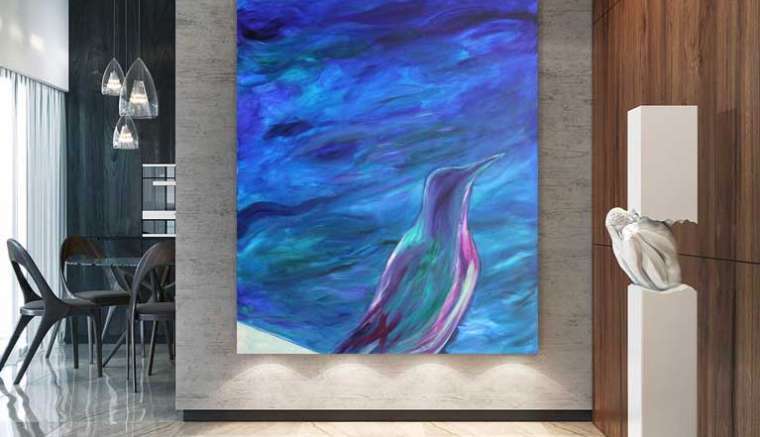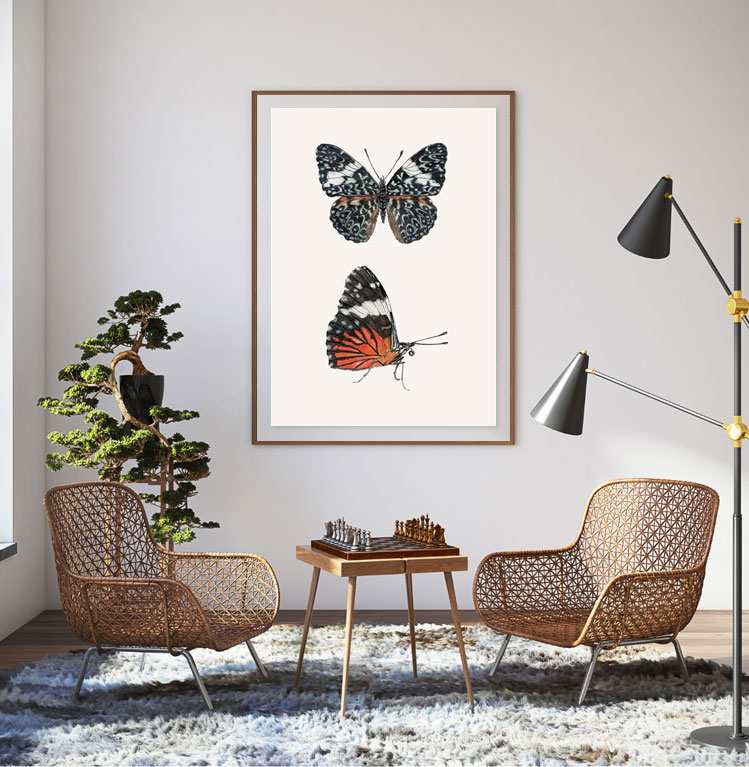
Floating frames, a popular choice among collectors and artists, create a unique “three-dimensional” effect that enhances the display of artwork. Art has the power to move us, inspire us, and spark conversations, but the way a piece is presented significantly influences our experience. A painting or photograph may already be powerful, but when appropriately framed, its impact can be elevated to an entirely new level. Among the many framing options available today, floating frames stand out for their ability to add depth and sophistication to artwork presentations.
But what exactly are floating frames, why do they matter, and how can they change the way we perceive art? Let’s explore how floating frames add another dimension to art collecting and why they might be the perfect addition to your next purchase.
What is a Floating Frame?
Unlike traditional frames, which overlap the edges of a canvas or photograph, floating frames are designed to create the illusion that the artwork appears to be “floating” within the frame. A small gap is left between the edge of the artwork and the frame itself, creating depth and shadow that draws the eye inward.
This sleek, modern design creates a sense of space around the artwork while protecting the piece from accidental edge damage. Floating frames are particularly popular for displaying canvas art, but they can also be used to showcase mounted photographs, fine art prints, and mixed media works.
Why Artists and Collectors Love Floating Frames
Floating frames appeal to artists because they allow the edges of the canvas to remain visible, something traditional frames often conceal. Many artists paint around the sides of their canvas, and a floating frame ensures those details remain part of the visual experience.
For collectors, the floating effect creates a gallery-quality presentation. A painting feels less like an object trapped behind glass and more like a piece of art breathing within its own space. Collectors who invest in modern and contemporary works often opt for floating frames due to their minimalist and sophisticated aesthetic.
The Psychological Impact of Depth in Art
Art has always been about illusion — perspective, shadow, and color play tricks on the human eye. Floating frames enhance this effect by literally creating an extra dimension. The depth between the frame and the canvas invites viewers to step closer, observe from different angles, and engage more deeply with the work. This subtle separation emphasizes the artwork as its own entity. Instead of blending into the wall or furniture, it “floats,” commanding attention.
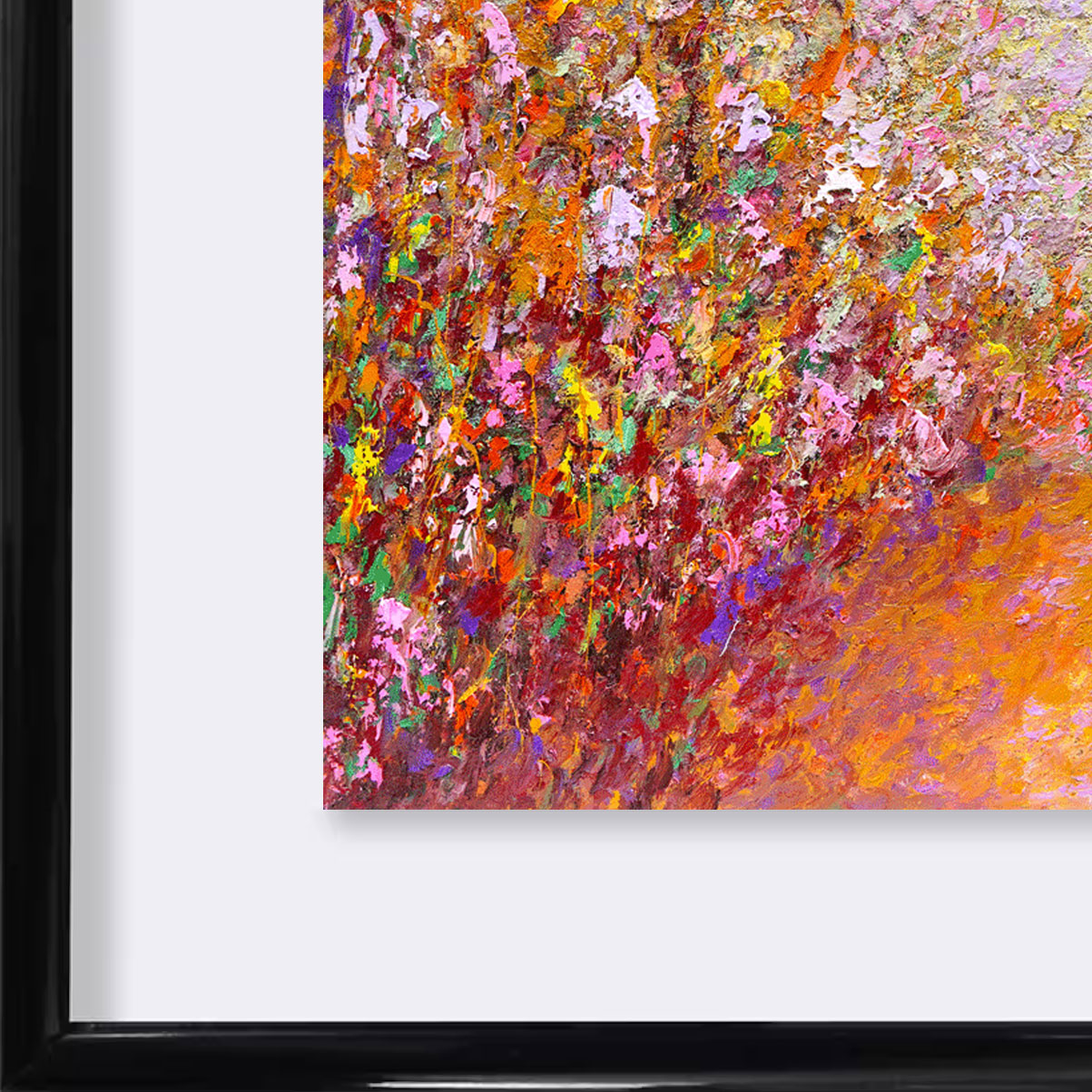
“Country Road” painted by Alex Voorn
Floating Frames in Contemporary Design
Interior designers increasingly favor floating frames for their clean lines and adaptability. They pair beautifully with modern homes, minimalist interiors, and office spaces. Unlike ornate frames, which can overpower an artwork, floating frames act as subtle complements, letting the art remain the focal point.
In luxury real estate staging, floating frames are used to create a curated, gallery-like atmosphere. This adds to the perceived value of both the home and the art itself.
Practical Benefits Beyond Aesthetics
While floating frames look stunning, they also offer practical advantages:
Edge Protection: Prevents canvas edges from being scuffed or dented.
Easy Swapping: Collectors can change artworks without significant alterations.
Versatility: Works well with contemporary, abstract, and even traditional pieces.
Longevity: Keeps the artwork structurally supported while preserving its integrity.
Famous Works and Floating Frames
While floating frames are most associated with modern works, many galleries today display both classic and contemporary art in this style. Museums often use floating frames for photography exhibitions because they create a modern, cohesive look that doesn’t distract from the subject matter.
Collectors purchasing high-value limited-edition prints or canvases will often opt for floating frames to mirror the professional standards of art fairs and galleries.
Tips for Choosing the Right Floating Frame
If you’re considering floating frames for your collection, here are a few tips:
Style Match: Contemporary works pair beautifully with floating frames, but even classic oil paintings can gain a fresh look with the right modern frame.
Material: Wood frames (like oak, walnut, or black lacquer) offer warmth, while metal frames give a sleek, industrial finish.
Color: Neutral tones (black, white, natural wood) often work best, but a bold frame can complement colorful works.
Size: Ensure the gap between the artwork and the frame is proportional — too wide and it may feel disconnected, too narrow and the “floating” effect is lost.
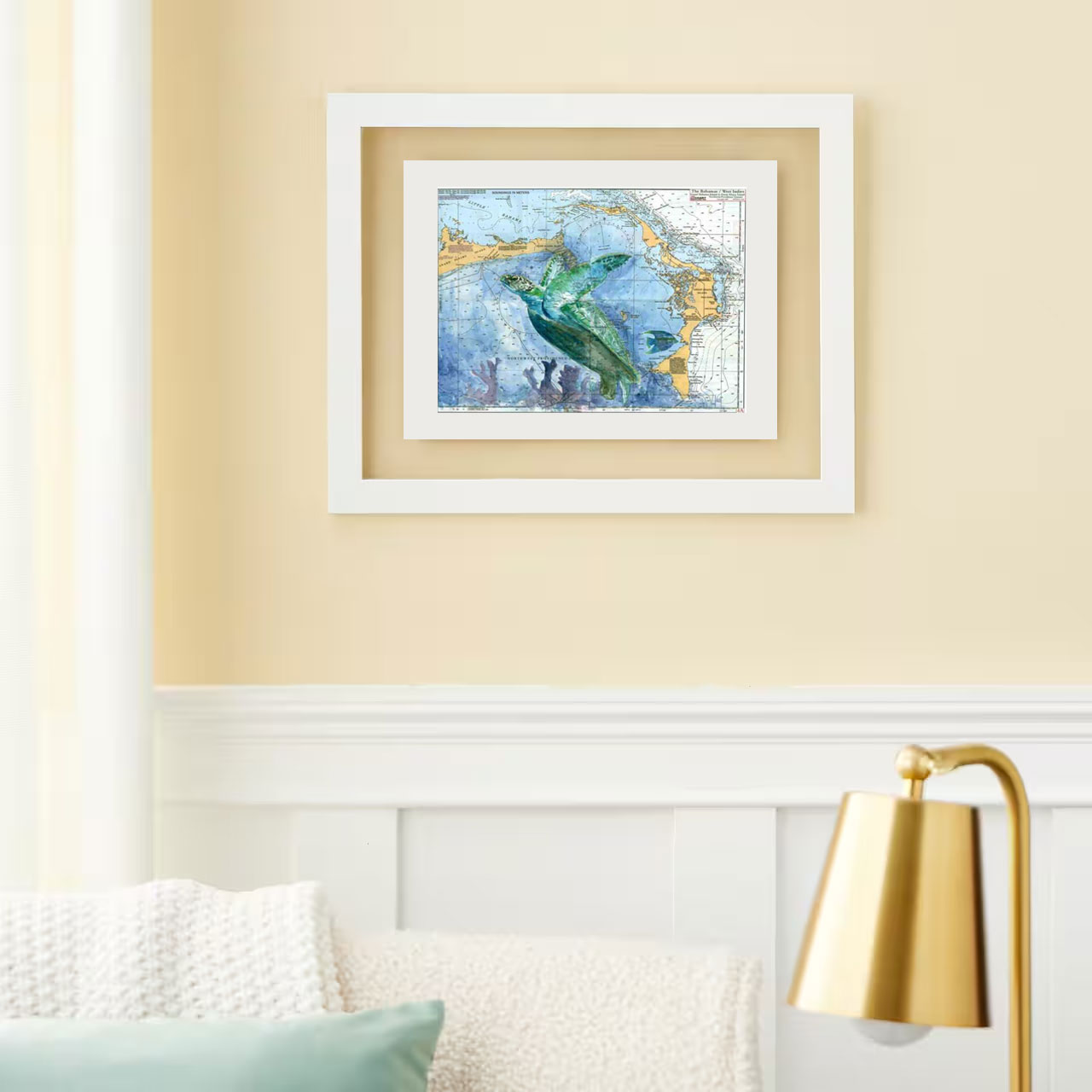
“Bahamas Turtle” painted by Carly Mejeur.
Why Floating Frames Add Another Dimension
Framing isn’t just about presentation — it’s about storytelling. A floating frame creates the illusion that the art is suspended, untouched, and elevated, almost like it exists in its own universe. For collectors, this isn’t just a design choice; it’s a statement.
By choosing floating frames, you highlight the individuality of each piece, honor the artist’s complete vision (including edge work), and elevate the overall perception of your collection. Whether you’re displaying a modern abstract canvas, a limited-edition print, or even a family heirloom, a floating frame adds a touch of sophistication that transforms your space into a private gallery.
Art aims to be experiential, and presentation plays a crucial role in how we connect with it. Floating frames offer more than just protection — they enhance depth, create visual intrigue, and allow collectors to present their pieces in a professional, gallery-quality manner.
For artists, floating frames allow their work to breathe. For collectors, they add value and prestige. For viewers, they offer a new dimension that brings art to life.
If you’re ready to showcase your artwork in a way that elevates its beauty, a floating frame may be the perfect choice. Visit ArtworkSale to explore our stunning art prints, which you can order with floating frames to enhance your collection.
Main image: “Olive Butterflies” painted by Kelsey P. Snyder.