
The art surface an artist chooses—be it canvas, paper, steel, or glass—is more than a backdrop; it’s a vital part of the artwork’s story. For collectors, understanding the role of the surface deepens appreciation and informs smarter acquisition decisions. This blog post examines why the choice of surface matters in art, its impact on value and preservation, and what it means for collectors seeking to build meaningful collections.
The Art Surface as a Storytelling Medium
Artists have long pushed creative boundaries by experimenting with surfaces, from traditional canvas to unconventional materials like steel, wood, or found objects. Each surface carries symbolic weight, reflecting the artist’s intent, era, and philosophy. For collectors, the surface influences not only the artwork’s aesthetic but also its market value, preservation needs, and cultural significance.
Canvas: A Timeless Tradition
Canvas has been the cornerstone of painting since the Renaissance, valued for its durability, flexibility, and affordability compared to earlier wood panels. Masters like Titian, Rembrandt, and Monet used canvas to create works that endure in museums worldwide. For collectors, canvas artworks evoke a sense of tradition and prestige. They connect to centuries of artistic legacy, making them a stable and respected choice. However, canvas requires careful handling, as it’s sensitive to light and humidity. Proper framing and climate control are essential to maintain its condition, ensuring long-term value.

Paper: Intimate and Experimental
Paper offers artists an immediate, intimate medium for expression. From Leonardo da Vinci’s delicate sketches to Andy Warhol’s bold screen prints, paper has been a playground for experimentation. For collectors, works on paper are often more accessible, offering an affordable entry point into art collecting. Yet, their fragility—prone to fading, tearing, or moisture damage—demands meticulous care. Using UV-protective glass and archival framing can preserve these pieces, which often reveal an artist’s creative process, adding unique value to a collection.
Steel and Industrial Surfaces: Bold and Modern
In the 20th century, artists like Richard Serra and Donald Judd embraced industrial materials like steel and aluminum, redefining art through minimalist and monumental works. These surfaces symbolize strength, permanence, and the industrial age. For collectors, steel sculptures or installations signal a commitment to contemporary art and often require significant space and maintenance to prevent rust or corrosion. Their bold aesthetic merges art with architecture, making them a striking addition to any collection.
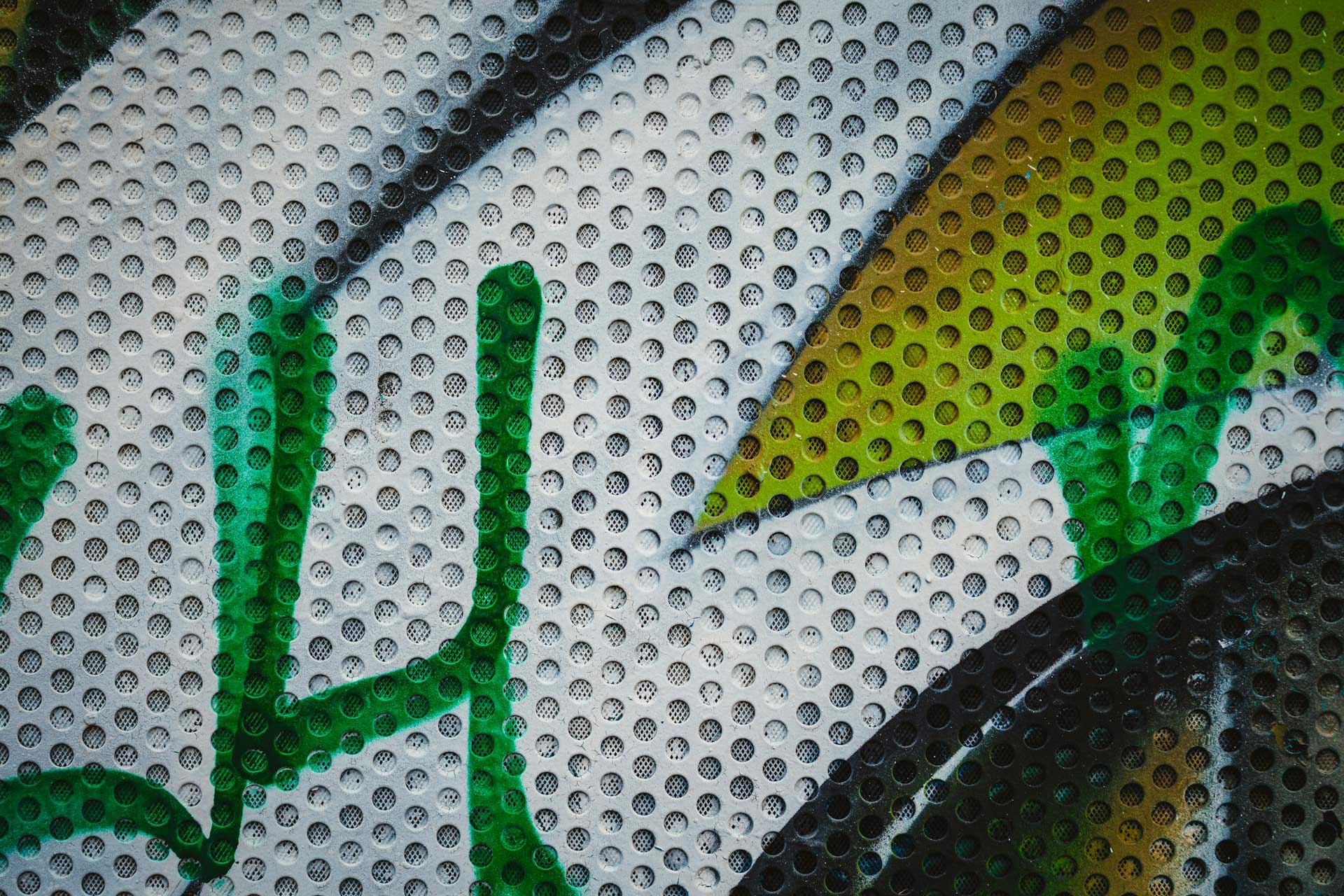
Wood, Glass, and Mixed Media: Unique Expressions
Materials like wood and glass bring distinct textures and meanings. Wood, used in early panel paintings by artists like Giotto, conveys warmth and tradition, while glass, as seen in Dale Chihuly’s dazzling installations, plays with light and fragility. Modern artists often combine various surfaces, such as photography, textiles, or found objects to create innovative, hybrid works. These pieces typically gain value due to their uniqueness but require specialized care to prevent warping or breakage, making them a bold choice for collectors who value innovation.
Preservation and Value: Why Surface Matters
The art surface has a direct impact on preservation and market value. Canvas can stretch over time, paper may yellow, steel can rust, and glass can shatter. Collectors who understand these risks make informed decisions about insurance, restoration, and display. A rare work on an unusual surface—like a Picasso on linoleum or a Da Vinci on vellum—can command higher value due to its scarcity. Asking key questions, such as how the surface reflects the artist’s intent or its care requirements, helps collectors curate collections that tell a story.
In the art world, the surface is never just a backdrop—it’s a core part of the narrative. Whether it’s the tradition of canvas, the intimacy of paper, the power of steel, or the fragility of glass, the art surface shapes both meaning and value. For collectors, paying attention to the surface unlocks a deeper connection to the artwork and its historical context.
At ArtworkSale, we offer premium art surfaces for your prints, allowing you to select from a range of high-quality options when placing your order.